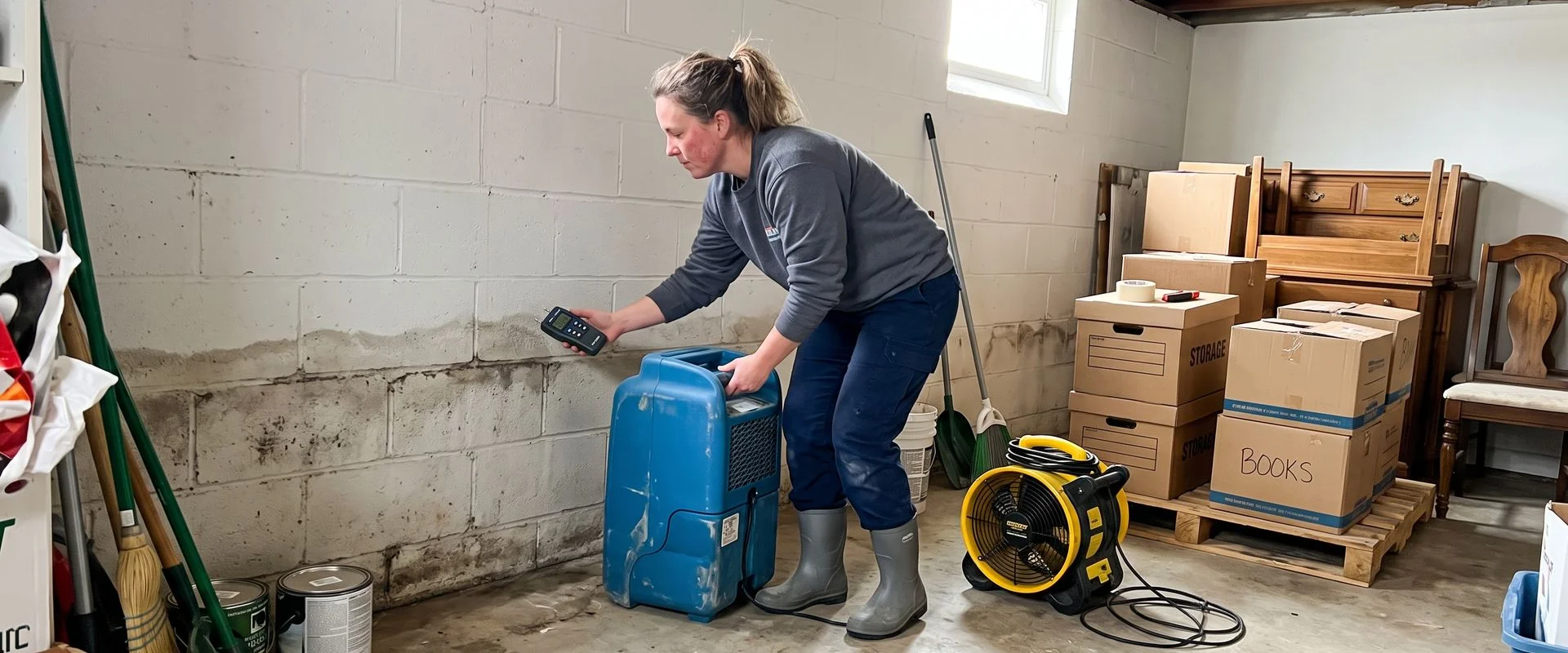
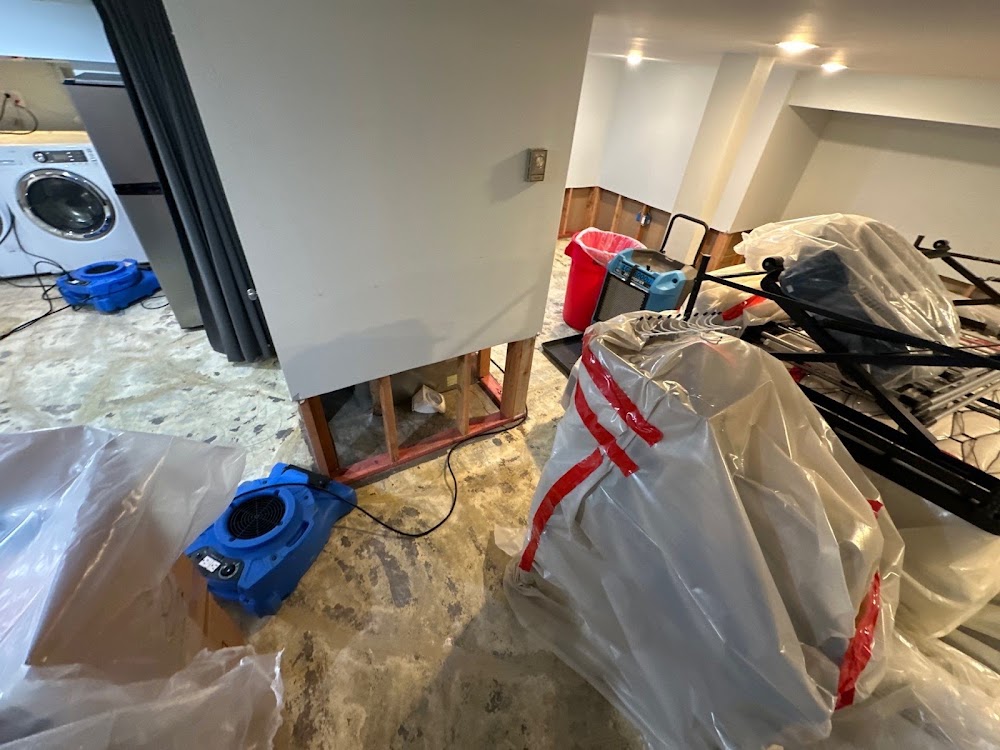
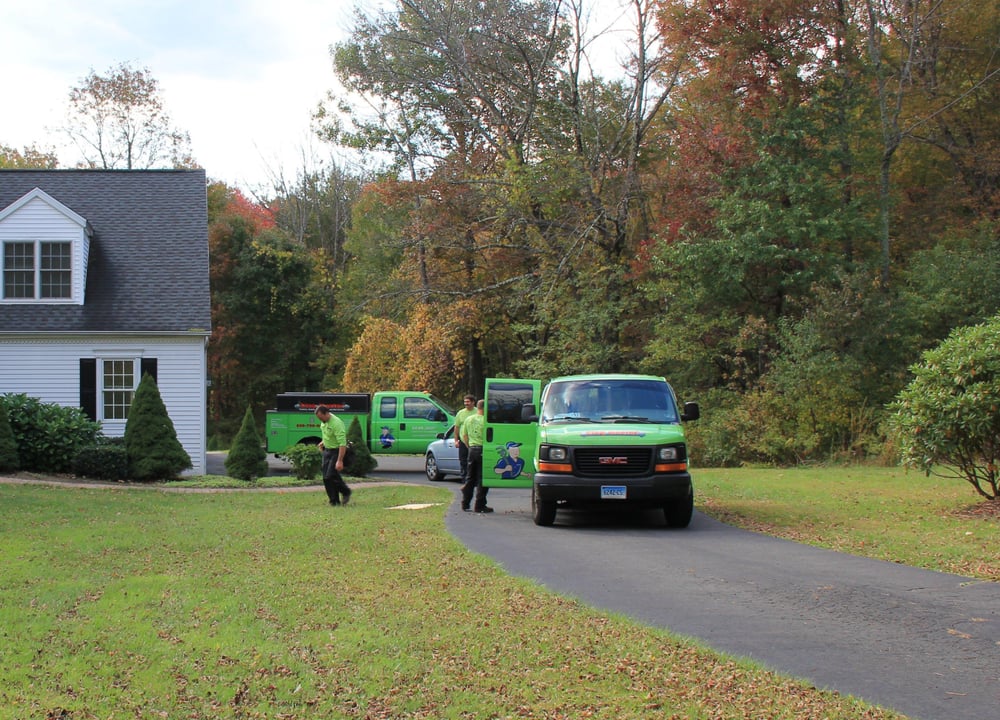
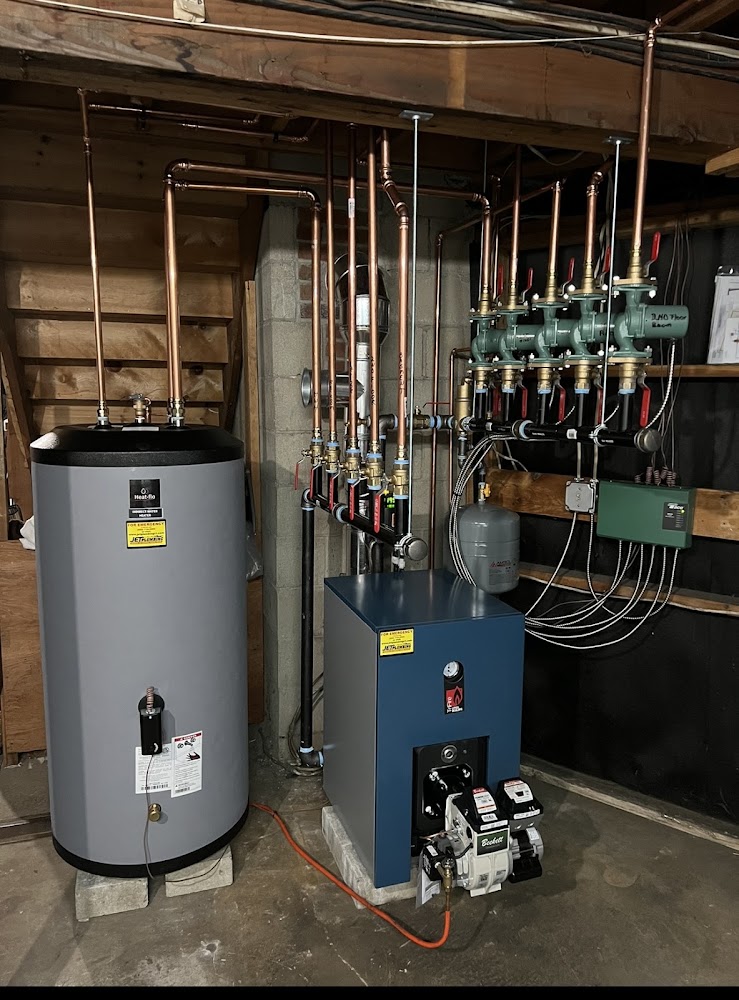
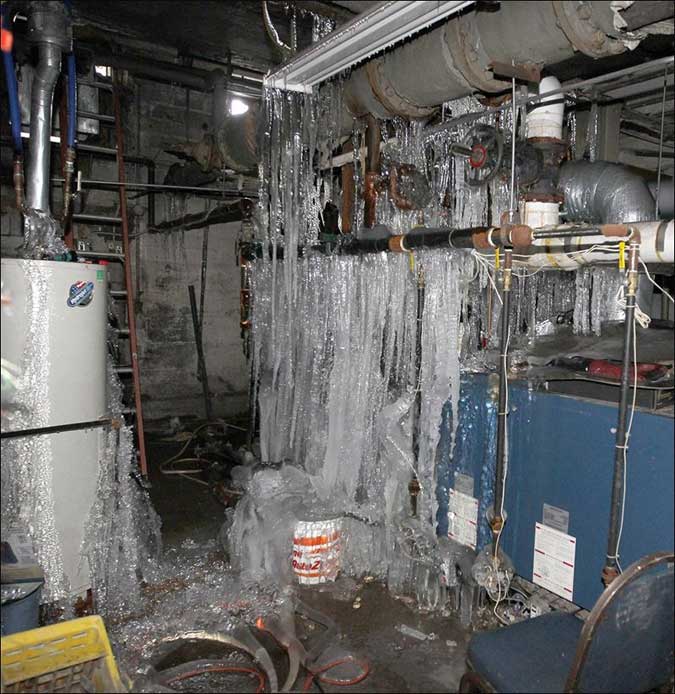
Water damage restoration covers everything that happens after a pipe bursts, a sump pump fails, a basement floods, or a roof leak soaks through drywall and flooring. That usually means extracting standing water, running industrial dehumidifiers and air movers to dry out the structure, checking for hidden moisture inside walls and subfloors, and handling any mold growth that starts before it spreads. Many Hartford crews also do the repair side: replacing ruined drywall, insulation, baseboards, and flooring once everything is dry. In the region's older housing stock, especially homes with finished basements near the Connecticut and Park Rivers, this is a common call after heavy spring rain or a hard freeze-thaw cycle in January and February.
Speed matters more than almost anything else in this trade. A company that can get equipment on-site within a few hours limits mold risk and keeps repair costs down, so response time is worth asking about directly, along with whether they work with your insurance company and carry the right certifications (IICRC is the standard credential to look for). Get a written scope before work starts, not just a verbal estimate.
Our scoring weighs response speed, licensing, insurance coordination, and verified customer feedback to help you shortlist faster. See the full rankings in the best plumbers in Hartford, CT guide, and read how we score every listing on the methodology page.