Commercial Plumbing in New Britain, CT
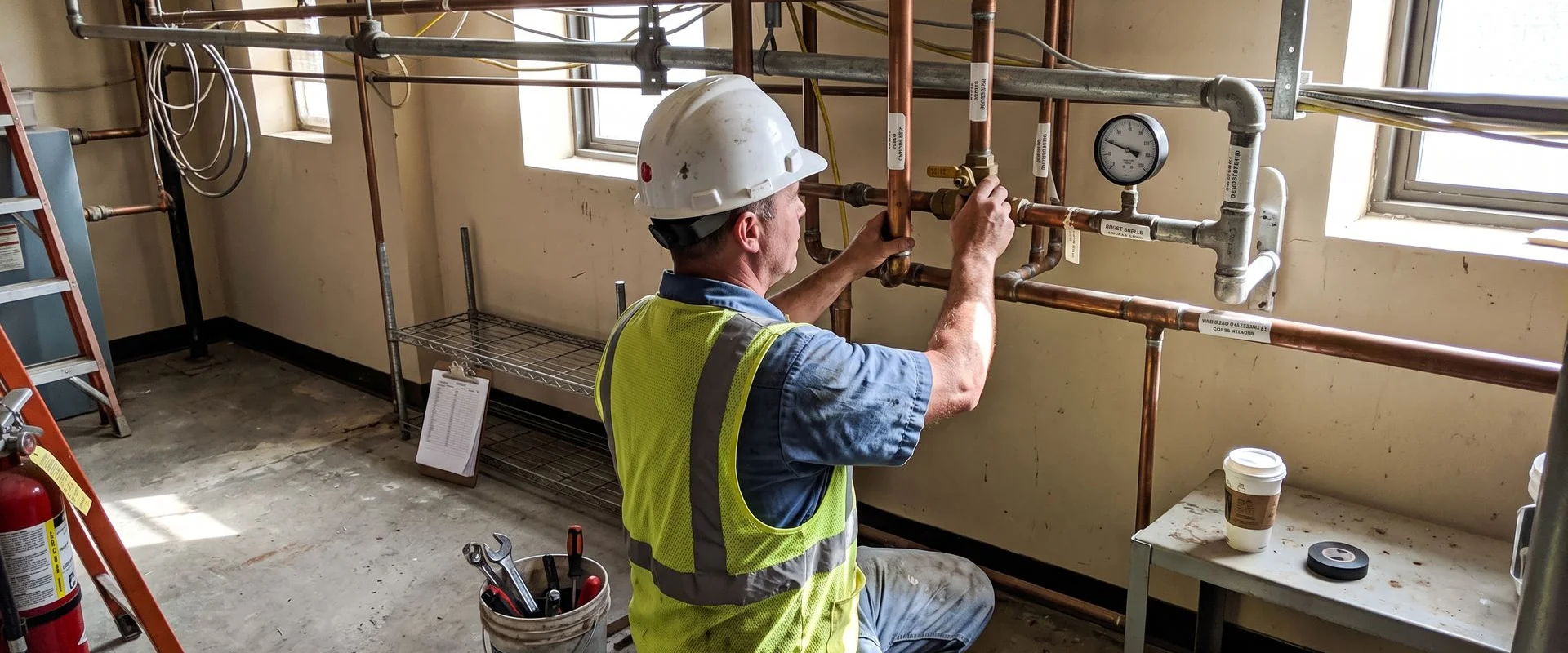
Commercial plumbing covers the systems that keep restaurants, offices, apartment buildings, warehouses, and retail spaces running: grease trap installation and pumping, backflow prevention testing, water heater and boiler tie-ins, floor drains, multi-fixture restroom builds, and the larger-diameter supply and waste lines that residential plumbers rarely touch. In New Britain, that also means working within local and state code requirements tied to older commercial buildings downtown as well as newer construction near the Berlin Turnpike corridor. We've identified 9 businesses in the New Britain, CT area that handle this type of work.
What a property owner or manager should look for
Commercial jobs come with different risks than a house call. Look for a contractor who carries commercial general liability coverage, is licensed to pull permits in New Britain, and has actual experience with your building type. A crew that mostly does residential repairs may not know grease interceptor sizing or the inspection schedule a backflow device needs. Ask about response time for emergencies too. A burst line or backed-up floor drain in a restaurant kitchen or medical office can shut the business down, so find out if the contractor offers after-hours service and how fast they can realistically get on site.
How our scoring works
We rank the plumbers on our best plumbers in New Britain guide using factors like verified licensing, review consistency, response time, and range of services offered, so commercial accounts can compare options without digging through every listing individually. The full breakdown of how we weigh each factor is on our methodology page.
Get matched with commercial plumbing in New Britain, CT
Free, no obligation. Describe your plumbing job and we'll connect you with suitable plumbers.
All commercial plumbing in New Britain, CT, ranked by score and relevance
0 businesses, scored on recent reviews. The order weighs each business's overall score by how much of its reviewed work is commercial plumbing, so a lower-scored specialist can rank above a higher-scored generalist.
When you submit an enquiry through our forms, we may share it with partner providers who can do the work, and we may receive a referral fee. Our rankings and scores come from our published scoring method only and are never affected by referral fees.
Common questions about commercial plumbing
- How much does commercial plumbing work typically cost?
- Costs vary widely by scope. A grease trap pump-out might run a few hundred dollars, while a full restroom retrofit or new water service line in a commercial building can run into the tens of thousands. Most contractors will do a site visit before quoting because pipe access, fixture count, and code upgrades all change the price.
- How often does a commercial building need plumbing maintenance?
- Grease traps typically need pumping every 1 to 3 months depending on kitchen volume, backflow preventers usually require annual testing to stay compliant, and water heaters or boilers should get inspected at least once a year. Buildings with heavy foot traffic, like restaurants or multi-tenant retail, tend to need more frequent line jetting to prevent clogs.
- What should I expect during a commercial plumbing inspection or repair visit?
- Expect the contractor to check shutoff valve locations, test water pressure, look at drain lines with a camera if there's a history of clogs, and verify that any backflow devices or grease interceptors meet current code. For repairs, ask for a written scope and timeline up front, especially if the work will affect business hours.
- How can I judge the quality of a commercial plumber before hiring?
- Check that their license covers commercial work in Connecticut, ask for references from similar properties (not just homeowners), and confirm they pull permits when required rather than skipping that step. A contractor who asks detailed questions about your fixture count, usage patterns, and building age is usually more reliable than one who quotes a price over the phone without seeing the site.