Gas leak and carbon monoxide warning signs: what to do
By Lena Vogel · Updated 2026-06-01
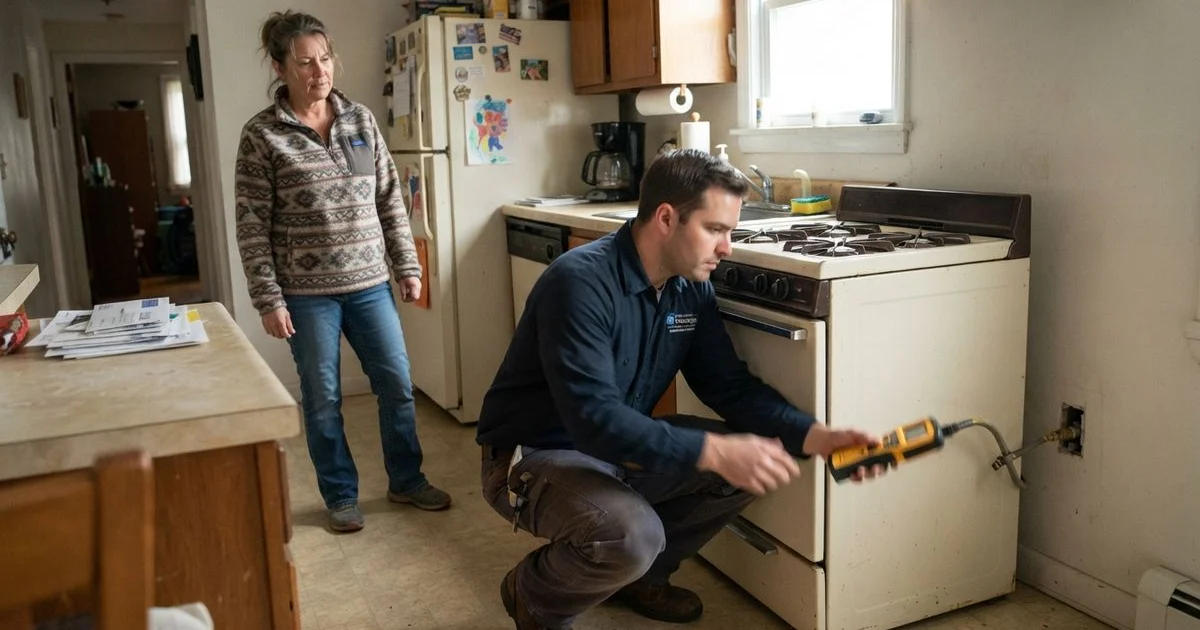
This is general safety information, not a substitute for guidance from your gas utility or emergency services during an active gas leak. If you believe you have one right now, leave the building and call for help before reading further.
Recognizing a gas leak
Natural gas is odorless, so utilities add mercaptan, a chemical that smells like rotten eggs or sulfur, specifically so a leak is noticeable. Other warning signs include a hissing sound near a gas line or appliance, dead or discolored vegetation near an outdoor line, and bubbles in standing water above a buried line. Indoors, a persistent sulfur smell near a stove, water heater, or furnace connection is the clearest signal.
Recognizing carbon monoxide danger
Carbon monoxide is harder to catch because it has no smell, no color, and no taste. Early symptoms in people, headache, dizziness, nausea, and confusion, can be mistaken for the flu, especially if multiple household members feel unwell at the same time in the same rooms. A working CO detector is the only dependable early warning, since you cannot rely on your senses the way you can with a gas leak.
Table: gas leak vs carbon monoxide
| Gas leak | Carbon monoxide | |
|---|---|---|
| Can you smell it | Yes, rotten egg/sulfur odor added | No, odorless |
| Common source | Gas line, appliance connection, fitting | Incomplete combustion in furnace, water heater, stove |
| Detection method | Smell, hissing sound, dead plants outdoors | CO detector only |
| Immediate risk | Fire or explosion | Poisoning |
| First action | Leave, avoid sparks, call from outside | Leave, get fresh air, call for help |
What to do if you suspect either
Leave the property immediately rather than investigating further. Do not flip light switches, light a match, use a phone inside the home, or do anything that could create a spark, since even a small one can ignite an active gas leak. Once you’re outside and at a safe distance, call your gas utility’s emergency line or 911 for a suspected gas leak, or get to fresh air and call for medical help if you suspect carbon monoxide exposure and anyone is showing symptoms.
Don’t go back inside until the utility or fire department confirms it’s safe. Once the immediate danger is cleared, a licensed plumber handles the actual repair, whether that’s a fitting, a line, or an appliance connection tied to gas line services.
What happens after the immediate danger is handled
Once the utility or fire department has confirmed it’s safe to return, a licensed plumber still needs to find and fix the underlying cause, not just confirm the leak stopped. That usually means a pressure test on the line and a close inspection of fittings and connections near where the leak was reported. Don’t treat “the smell went away” as proof the problem is fixed, since a leak can fluctuate with temperature and pressure changes. Get a professional confirmation before considering the issue closed.
If the fix involves replacing a section of line rather than just a fitting, check whether the work needs a permit first; our guide on gas line permits in Connecticut covers when one is required.
Preventing the problem before it starts
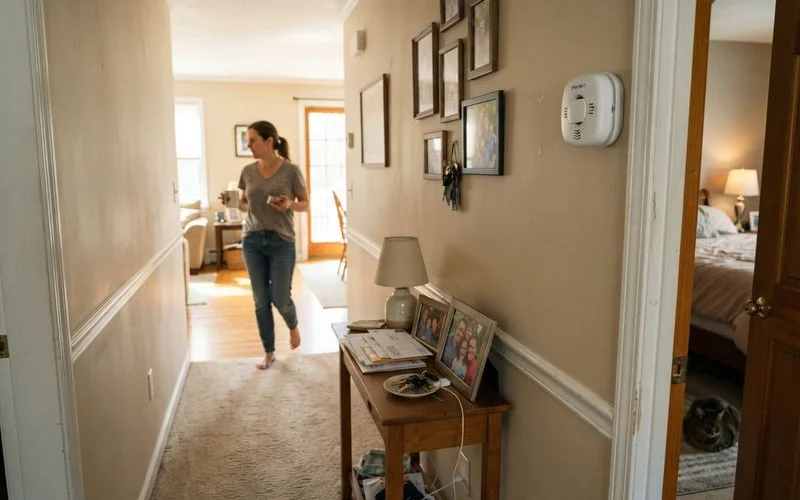
Install CO detectors on every level of the home, especially near sleeping areas, and test them on the same schedule as smoke detectors. Have gas appliances, furnaces, and water heaters serviced on a regular schedule, since incomplete combustion from a poorly maintained unit is a leading cause of CO buildup. If you smell a faint gas odor that isn’t clearly an emergency, don’t dismiss it, call a licensed plumber to inspect the connection before it becomes one.
Older homes are worth extra attention here. Aging appliance connections, corroded fittings, and furnaces or water heaters that haven’t been serviced in years are more likely to develop the kind of slow leak or ventilation problem that CO detectors are designed to catch. A yearly inspection of gas appliances and connections is a small cost compared to the risk it’s covering, especially in a house where you don’t know the full service history of the equipment.
This directory’s ranking method factors in how responsive and thorough local providers are, which matters most when you need someone to check a gas connection quickly and correctly. Our directory can help you find a licensed plumber in the Greater Hartford area for both routine inspections and urgent calls.
FAQ
- What does a gas leak actually smell like?
- Natural gas is odorless on its own, but utilities add a chemical called mercaptan that smells like rotten eggs or sulfur specifically so leaks are noticeable. If you smell that, treat it as a real leak.
- Can I have a carbon monoxide problem without smelling anything?
- Yes. Carbon monoxide has no smell, color, or taste. A working CO detector is the only reliable way to catch it, which is why one belongs on every level of a home with gas appliances.
- Is it safe to look for a gas leak myself?
- Only from a distance and only with your senses, smell and sound. Never use a lighter, match, or anything that creates a spark to search for a leak, and don't try to fix a suspected leak yourself.
- Who do I call first, the gas utility or a plumber?
- If you suspect an active leak, leave the property and call your gas utility's emergency line or 911 first. Once the immediate danger is confirmed handled, a licensed plumber repairs the line itself.