Staying safe around water damage and mold after a leak
By Lena Vogel · Updated 2026-06-25
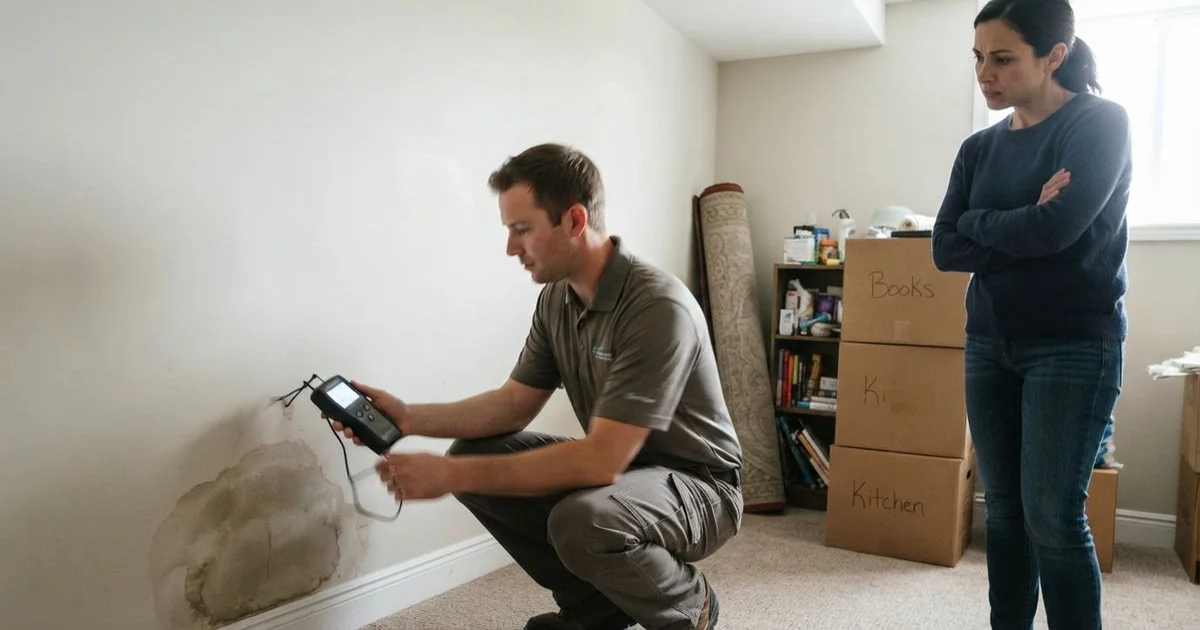
A plumbing leak doesn’t stop being a problem once the water is off. What happens in the days after matters just as much for your household’s health as the repair itself. This is general safety information, not medical advice; consult a doctor if you or anyone in your home develops symptoms after water exposure.
Why moisture becomes a health issue
Mold needs moisture, warmth, and time, and a plumbing leak provides all three. Growth can begin within 24 to 48 hours in damp conditions, often in places you can’t easily see: inside walls, under flooring, or behind cabinetry. Beyond mold, standing water and damp materials can also host bacteria, and a leak near electrical outlets or wiring introduces a separate safety risk entirely. A leak that seems minor on the surface, a small stain on a ceiling, a faint musty smell in a closet, can still mean a meaningful amount of hidden moisture behind it.
Symptoms worth paying attention to
Coughing, throat irritation, watery or itchy eyes, and worsened allergy or asthma symptoms are common signs of mold exposure, especially if they ease when you’re away from the affected area and return when you’re back. Musty odors are often the first noticeable sign of hidden moisture, even before visible mold appears.
Table: response time and typical outcome
| Time since leak | Typical risk level | Recommended action |
|---|---|---|
| Caught and dried within hours | Low | Fans, dehumidifier, monitor the area |
| 24-48 hours before drying starts | Moderate | Professional drying equipment recommended |
| More than 48 hours, or hidden behind walls/flooring | High | Professional water damage assessment |
| Visible mold present | High | Address moisture source, professional remediation |
What to do after a leak
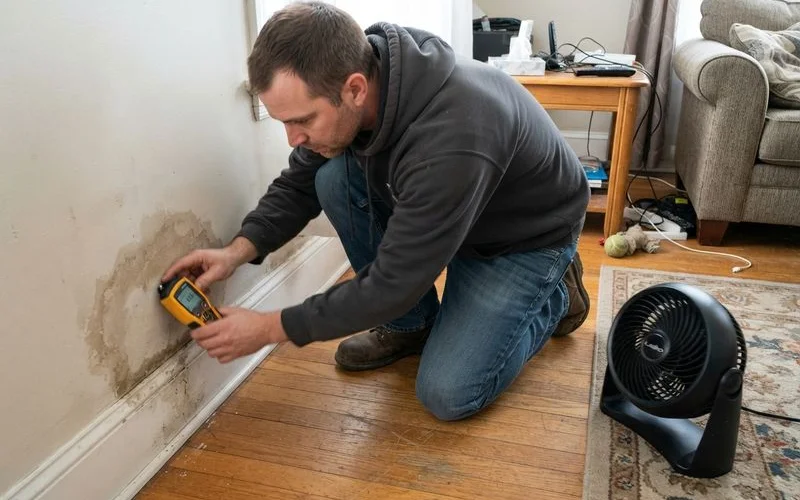
Dry the area as quickly as possible: open windows, run fans, and use a dehumidifier if you have one. Remove wet items from carpet and upholstered furniture where you can, since prolonged contact accelerates both mold growth and material damage. If the leak soaked drywall, insulation, or flooring, or if it went unnoticed for more than a day or two, professional drying equipment is usually needed to fully dry the space, since household fans often can’t reach moisture trapped inside walls or subfloor.
When to bring in a specialist
If you see visible mold, smell a persistent musty odor, or the affected area involved more than a small, quickly caught leak, it’s worth bringing in a water damage restoration specialist rather than handling it yourself. They have moisture meters and industrial drying equipment that confirm whether an area is actually dry, not just dry-looking on the surface, which matters because trapped moisture behind a wall can keep feeding mold growth long after the visible water is gone.
If the water involved is contaminated rather than a clean supply-line leak, like a backed-up drain, the precautions are more urgent than mold alone; see our guide on health risks of a sewage backup for how to handle that safely.
Preventing the next leak from becoming a repeat problem
Fixing the plumbing issue that caused the leak matters just as much as the cleanup, since a repeat leak means starting the whole process over, often in the exact same wall or ceiling cavity that’s already weakened from the first event. Ask the plumber to confirm the actual cause, not just seal the visible symptom, especially if the leak was slow or hidden for a while before you noticed it. If a leak happened once in a particular spot, whether it’s a wall behind a shower or a ceiling under an upstairs bathroom, keep an eye on that same area going forward, since a repaired pipe doesn’t guarantee the surrounding materials fully recovered from the first exposure.
Getting the right help for both parts of the problem
This directory’s ranking method rates providers on thoroughness and follow-through, and our directory can help you find both a plumber and a restoration specialist in Greater Hartford who take that seriously. Treating this as two separate hires rather than expecting one company to handle everything usually gets you a more thorough result on both the repair and the cleanup.
FAQ
- How fast can mold start growing after a leak?
- Mold can begin developing within 24 to 48 hours in damp conditions, which is why fast drying matters more than most people expect. A leak that sits unaddressed for even a few days meaningfully raises the risk.
- What symptoms suggest mold exposure rather than something else?
- Common symptoms include coughing, throat irritation, watery eyes, and worsened allergy or asthma symptoms, especially if they improve when you leave the home and return when you're back. This is general information, not medical advice; see a doctor if symptoms persist.
- Can I dry out water damage myself with fans?
- For a small, quickly caught leak on a hard surface, fans and a dehumidifier can help. Anything involving soaked drywall, insulation, or carpet, or water that sat for more than a day or two, usually needs professional drying equipment to fully address.
- Is visible mold always a sign of a serious problem?
- Not necessarily in size, but any visible mold means moisture is present and needs to be addressed at the source, not just cleaned off the surface, or it will return.