Do you need a permit for gas line work in Connecticut?
By Lena Vogel · Updated 2026-07-09
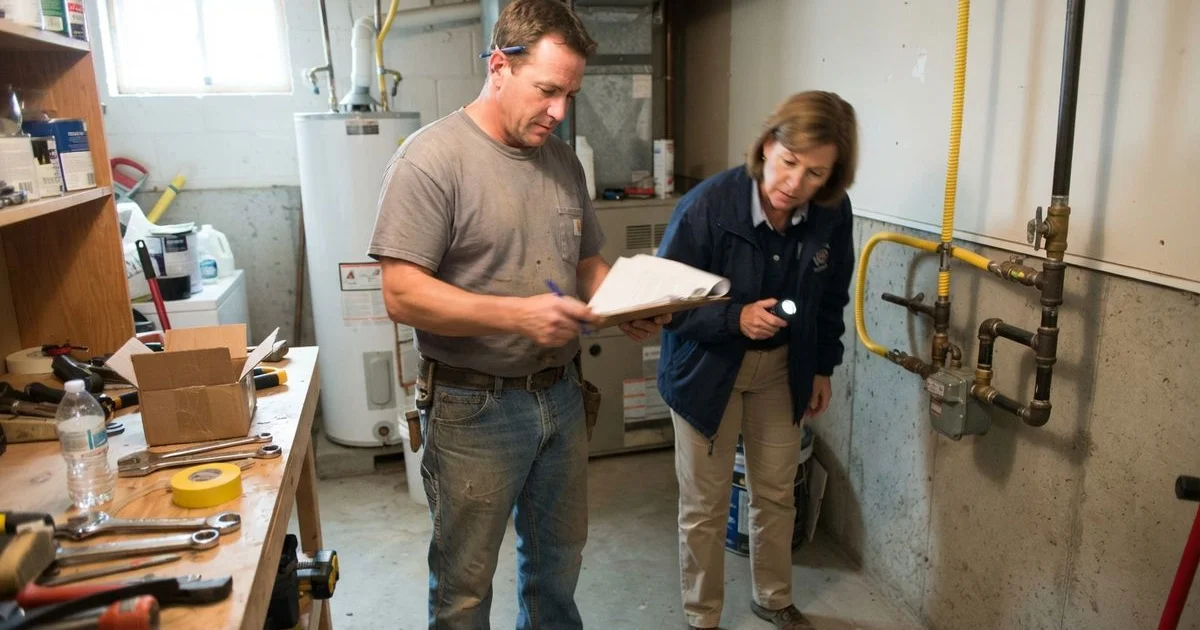
This is general information about how gas line permitting typically works in Connecticut, not legal advice. Requirements vary by municipality, so confirm specifics with your local building department or a licensed plumber before starting any project.
Why gas work is treated differently
Gas line work carries real safety stakes: a poorly connected or improperly sized line risks a leak, and a leak near an ignition source is a fire or explosion hazard. That’s why gas work is almost universally treated as requiring a licensed plumber and a permit, unlike some lower-risk plumbing repairs that homeowners can sometimes handle themselves. The permit process isn’t red tape for its own sake, it’s the mechanism that catches a mistake before the line is ever used.
When a permit is typically required
Nearly any new gas line installation or extension needs a permit in Connecticut, including running a new line to a range, dryer, water heater, furnace, or an outdoor feature like a grill or fire pit. Replacing an existing appliance on an existing, unmodified line sometimes falls outside permit requirements, but extending or rerouting the line generally does not. When in doubt, ask the plumber to confirm before work starts rather than assuming a smaller job is automatically exempt.
Table: common gas line jobs
| Job | Permit typically required |
|---|---|
| New line to an outdoor grill or fire pit | Yes |
| Extending a line to a new furnace or water heater location | Yes |
| Replacing an appliance on an existing, unmodified line | Often not, confirm locally |
| Adding a gas line for a new range or cooktop | Yes |
| Repairing a leak on an existing line | Depends on scope, confirm locally |
What the process typically looks like
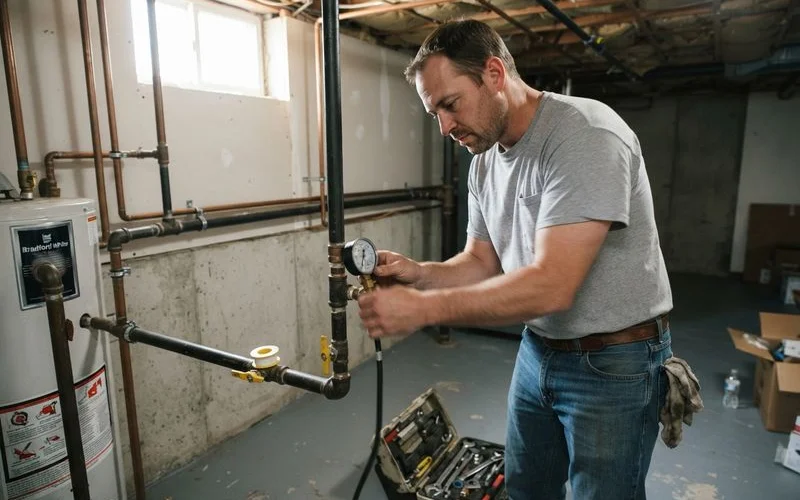
A licensed plumber pulls the permit as part of the job, performs the installation, and then the line is tested, often with a pressure test, to confirm there are no leaks before it’s approved for use. A local inspector typically reviews the work, checking line sizing, secure connections, and proper materials. This adds some time to the project timeline compared to a same-day repair, so it’s worth planning for, especially if you’re hoping to have a new outdoor kitchen or fire pit ready for a specific date.
What can go wrong with an unpermitted line
An unpermitted gas line isn’t just a paperwork gap, it’s a line nobody independent has verified. Common issues an inspection catches include undersized piping for the appliance’s demand, connections that weren’t properly sealed, and materials that don’t meet current code. Any of these can create a slow leak that goes unnoticed for a long time, which is exactly the scenario the permit and inspection process exists to prevent. If you’re buying a home with gas appliances added by a previous owner, it’s reasonable to ask whether that work was permitted and inspected at the time.
Why it’s worth doing right
Skipping the permit process on gas work isn’t just a paperwork risk, it’s a safety risk, since the inspection exists specifically to catch problems before the line is used. It can also complicate a home sale or an insurance claim later if unpermitted gas work is discovered. A properly permitted and inspected line gives you a documented, verified record that the work meets code.
Finding the right plumber for the job
Gas line work isn’t the place to shop purely on price. Confirm the plumber is licensed for gas work specifically and has experience navigating your town’s permit process for gas line services. Ask directly whether their quote includes pulling the permit and coordinating the inspection, since some lower quotes leave that step out entirely, which shifts the responsibility, and the risk, onto you.
This directory’s ranking method considers how consistently local providers follow proper process, which is exactly what you want for a job with this much riding on it. You can compare providers through our directory before scheduling.
FAQ
- Does adding a gas line for an outdoor grill or fire pit need a permit?
- Generally yes, since it involves extending the gas system. Confirm with your local building department, but treat any new gas run, indoor or outdoor, as something that likely needs one.
- Can I install a gas line myself to save money?
- This isn't a DIY project. Gas work has real safety stakes, connects to a permitting and inspection process, and generally must be performed by a licensed plumber in Connecticut.
- What does a gas line inspection actually check?
- An inspector typically checks the line for proper sizing, secure connections, correct materials, and pressure integrity, often confirmed through a pressure test before the line goes into use.
- How long does the permit and inspection process take?
- It varies by town, but plan for the permit and scheduled inspection to add time beyond the physical work itself. A licensed plumber familiar with your town's process can usually estimate this upfront.