Plumbing permits and code requirements in Connecticut: what homeowners need to know
By Lena Vogel · Updated 2026-06-22
This is general information about how Connecticut plumbing permits typically work, not legal advice. Requirements vary by town, so confirm specifics with your local building department or a licensed plumber before assuming any project is exempt.
When a permit is usually required
Connecticut generally requires a permit for plumbing work that changes the system rather than simply repairing what’s already there. That commonly includes new fixture installations, relocating pipes, water heater replacements that involve venting or gas line changes, and any plumbing tied to a larger renovation, like adding a bathroom or reworking kitchen plumbing during a remodel. Gas line installation or extension almost always requires a permit given the safety stakes involved.
When it usually isn’t required
Straightforward repairs, replacing a faucet, fixing a running toilet, clearing a clog, or swapping a fixture in the same location without changing connections, typically don’t need a permit. The distinction generally comes down to whether the work changes the system’s layout, capacity, or connections, versus simply maintaining what’s already there. When in doubt, a quick question to your plumber or town building department is worth it, since assuming a job is exempt when it actually isn’t is the more common mistake.
Table: common jobs and typical permit status
| Job | Permit typically needed | Permit typically not needed |
|---|---|---|
| Faucet or fixture replacement, same location | No | Yes |
| Water heater replacement with new venting or gas connection | Yes | No |
| New bathroom or kitchen plumbing | Yes | No |
| Clearing a clogged drain | No | Yes |
| Gas line installation or extension | Yes | No |
| Relocating an existing pipe or fixture | Yes | No |
Why the permit matters
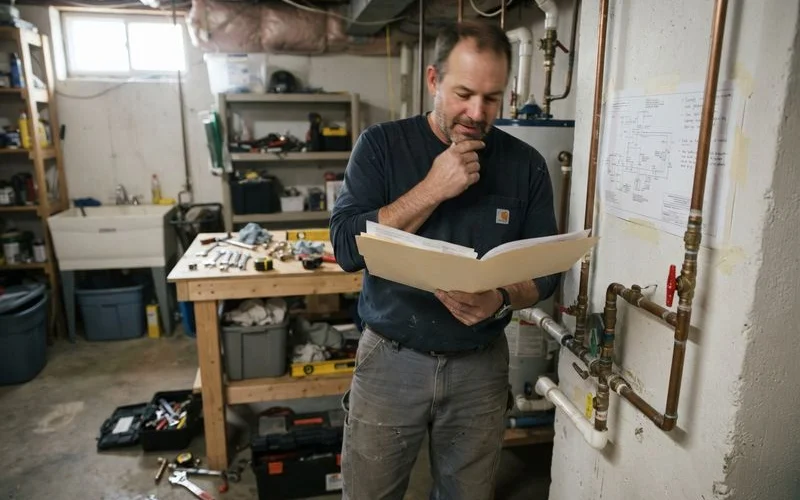
A permit means a local inspector reviews the work against code, which exists to catch problems before they become safety hazards, like an improperly vented water heater or an undersized gas line. Skipping a required permit can create headaches down the road: unpermitted work sometimes has to be exposed and redone to satisfy a home sale inspection, and it can complicate an insurance claim if a related problem comes up later. Some homeowners assume a permit only matters if they’re planning to sell soon, but the safety review it triggers matters just as much for a home you plan to stay in for decades.
Who handles it
A licensed plumber typically pulls the permit as part of the job and schedules the required inspection, folding that cost into the estimate. If a contractor suggests you pull the permit yourself for work they’re doing, or suggests skipping it entirely to save time, treat that as a signal to ask more questions, since licensed, insured plumbers generally handle this as standard practice.
What the inspection actually looks like
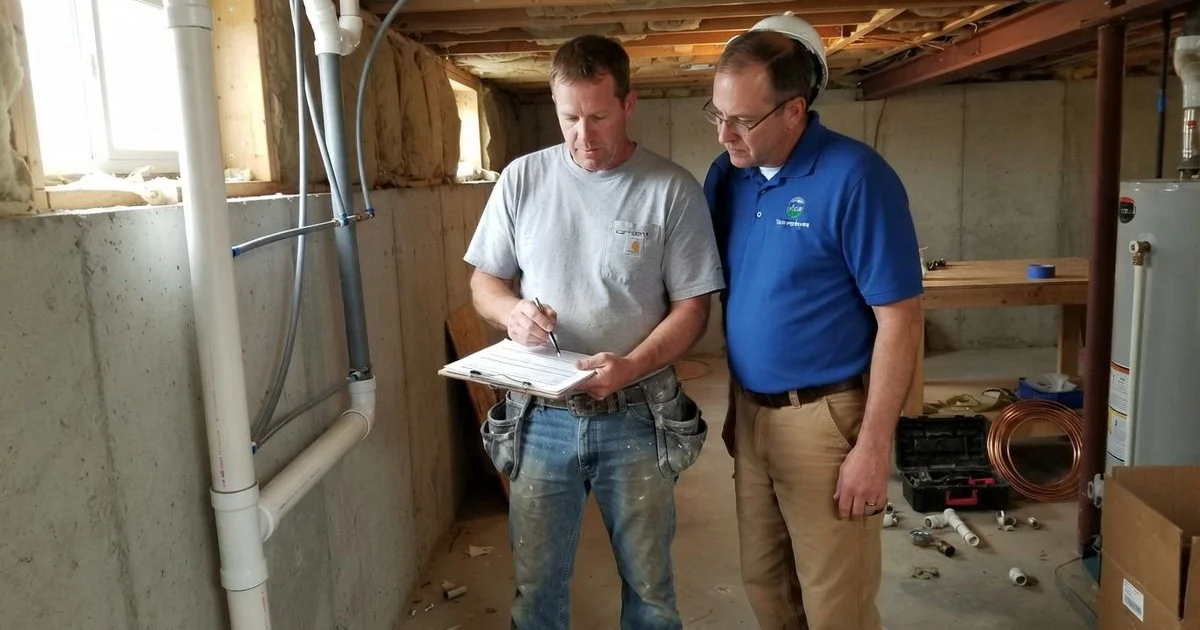
Once the work is done, a local inspector visits to check it against code before it’s signed off. For a water heater, that typically means confirming venting is correct, the unit is properly secured, and any required safety devices, like a temperature and pressure relief valve, are installed correctly. For new fixture or pipe work, the inspector checks connections, materials, and support. This step usually happens quickly if the work was done to code the first time, and it’s the reason a permitted job carries more confidence than an unpermitted one, someone independent of the plumber has verified it.
Confirming before you start
Requirements vary by town within Greater Hartford, so it’s worth a quick call to your local building department if you’re unsure whether a specific project needs one. A plumber who works regularly in your town will usually know the process well already and can save you that call.
This directory’s ranking method considers how consistently local providers follow proper process, including permitting, which is one more reason to check a plumber’s track record through our directory before hiring for anything beyond a simple repair.
FAQ
- Does every plumbing repair need a permit in Connecticut?
- No. Minor repairs, like replacing a faucet or fixing a leak, typically don't require one. Permits are generally required for new installations, relocations, and work that changes the plumbing system's layout or capacity.
- Who is responsible for pulling the permit, me or the plumber?
- A licensed plumber typically pulls the permit as part of the job and coordinates the inspection. If a contractor asks you to pull the permit yourself for work they're performing, treat that as a warning sign.
- What happens if I skip a required permit?
- Unpermitted work can create problems later: it may need to be redone to sell the home, can complicate an insurance claim, and in some towns can result in fines if discovered during an inspection for something else.
- Do I need a permit to replace a water heater?
- Often yes, especially if it involves any change to venting, gas connection, or the unit's location. Confirm with your local building department or ask your plumber to handle it as part of the job.