Preparing your pipes for a Connecticut winter: a freeze prevention checklist
By Lena Vogel · Updated 2026-06-11
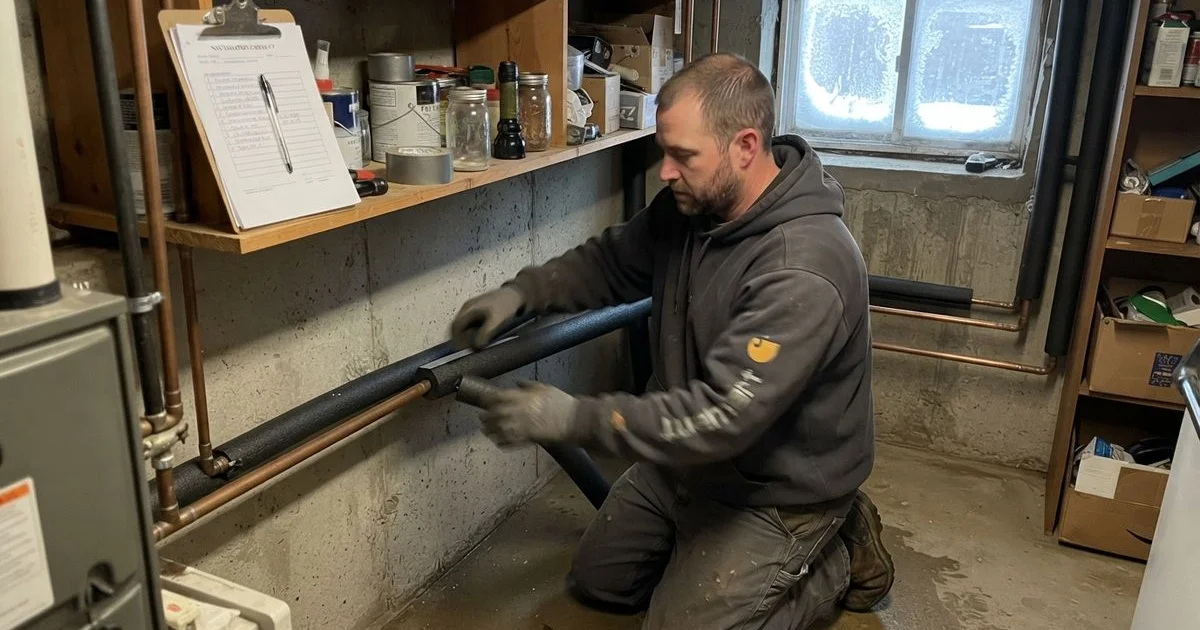
Connecticut winters are cold enough, and long enough, that pipe freezing is a real annual risk, not a rare event. A little preparation before the first hard freeze prevents most of the damage that a burst pipe can cause.
Before winter: the checklist
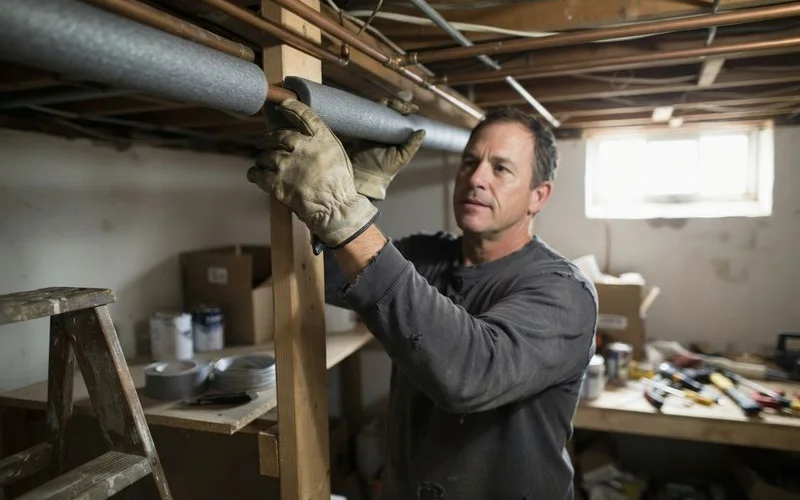
- Insulate exposed pipes. Basements, crawl spaces, garages, and exterior walls are the highest-risk locations. Foam pipe sleeves are inexpensive and easy to install yourself.
- Seal drafts near pipes. Gaps around foundation vents, dryer vents, or utility penetrations let cold air reach plumbing that would otherwise stay above freezing.
- Disconnect and drain outdoor hoses. A hose left attached can trap water in an outdoor spigot and cause it to freeze back into the connected indoor line.
- Know where your main shutoff valve is. If a pipe does freeze and split, being able to shut off water fast limits the damage significantly.
- Set a consistent thermostat, even when away. Keeping the house above 55 degrees, even during travel, protects interior plumbing far more reliably than turning the heat off.
During a hard freeze
On nights with a hard freeze warning, open cabinet doors under sinks on exterior walls so warm household air can reach the pipes. Let at-risk faucets, especially ones fed by exterior-wall pipes, drip slowly overnight. This isn’t necessary for every fixture, just the ones you know sit on vulnerable pipe runs. If you’re traveling during a stretch of hard freezes, ask a neighbor to check the house periodically rather than leaving it fully unattended for days at a time.
Table: risk level by location
| Pipe location | Freeze risk | Prevention priority |
|---|---|---|
| Interior walls, heated space | Low | Standard thermostat setting |
| Exterior walls | High | Insulate, drip during hard freezes |
| Unheated basement or crawl space | High | Insulate, seal drafts |
| Garage | Very high | Insulate, consider heat tape if recurring |
| Outdoor spigots and hose bibs | Very high | Disconnect hoses, drain before winter |
If a pipe freezes anyway
Shut off the main water valve if you suspect the pipe has already cracked, since a frozen section can split before it fully thaws and then flood the moment it does. If the pipe is accessible, you can gently warm it with a hair dryer or warm towels, starting at the faucet end and working toward the blockage. Never use a torch or open flame. If you can’t reach the frozen section, or water doesn’t return once you’ve warmed it, it’s time to call a plumber rather than keep trying. Once a section has actually split and water is flowing, this stops being a checklist problem; switch to our guide on what to do during a plumbing emergency while you wait for help.
A frozen pipe rarely announces itself until you turn on a faucet and nothing, or barely anything, comes out. Treat that as a signal to act quickly rather than waiting to see if it resolves on its own overnight, since the risk isn’t the freeze itself, it’s the crack that can happen as the ice expands and then floods once things thaw.
Homes at higher risk
Older homes throughout Greater Hartford’s housing stock, especially those with plumbing in exterior walls or additions built without much insulation, tend to see freezing issues more than newer construction. If your home has frozen before, or you’ve noticed a specific pipe run that runs cold to the touch during winter, it’s worth having a plumber assess that section directly rather than relying on general precautions alone. A targeted fix, like adding insulation or rerouting a particularly exposed run, can eliminate a recurring problem for good.
Getting ahead of it
A quick inspection before the coldest months hit is worth the cost if your home has had freezing issues before or sits in an older part of Greater Hartford’s housing stock. This directory’s ranking method rates local providers on responsiveness, which matters most in the exact moment a pipe freezes at 2am. Our directory is a good place to line up a plumber before winter starts, not after the first hard freeze catches you off guard.
FAQ
- What temperature puts pipes at real risk of freezing?
- Risk climbs quickly once outdoor temperatures drop into the low 20s Fahrenheit or below, especially overnight, and especially for pipes in unheated or poorly insulated spaces like basements, crawl spaces, and exterior walls.
- Does leaving a faucet dripping actually help?
- Yes, for pipes at risk. A slow, steady drip keeps water moving and relieves pressure buildup, which is what causes a frozen pipe to split. It only matters for the specific fixtures fed by at-risk pipes, not every faucet in the house.
- How do I know if a pipe has already frozen?
- A frozen pipe usually shows up as reduced or no water flow from a fixture, sometimes with frost visible on an exposed section of pipe. Don't wait to address it, since a frozen pipe can crack even before it fully thaws.
- Is it safe to thaw a frozen pipe myself?
- You can carefully warm an accessible section with a hair dryer or warm towels, always starting from the faucet end and working back. Never use an open flame, and call a plumber if you can't reach the frozen section or don't know if it's already cracked.