Plumbing checklist before selling your home in Greater Hartford
By Lena Vogel · Updated 2026-07-13
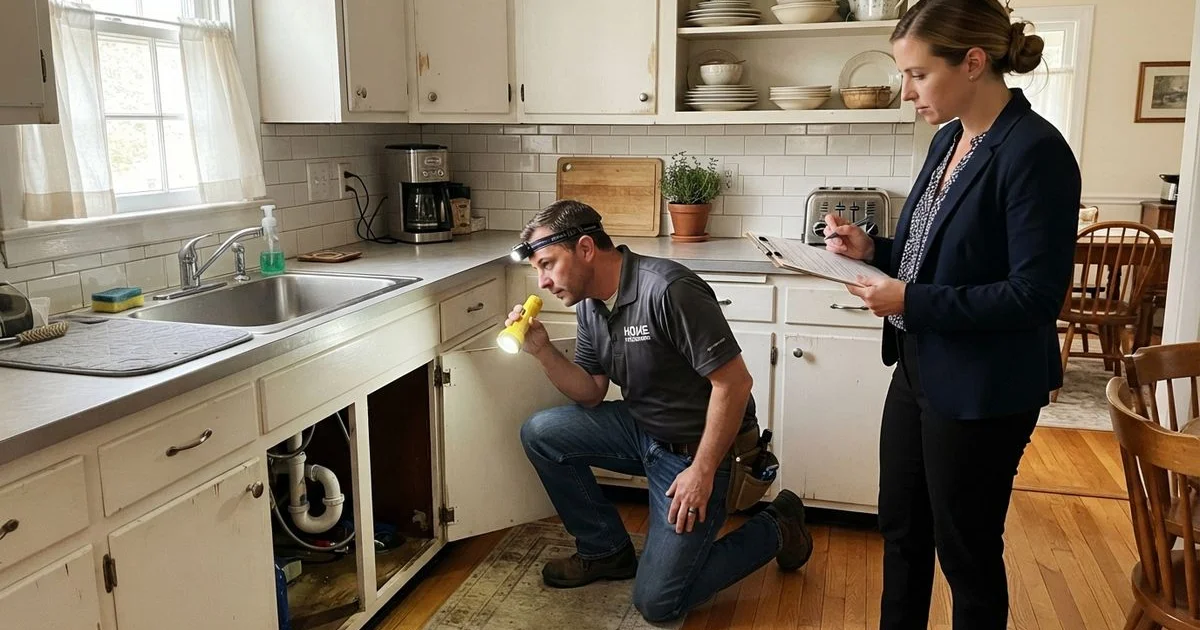
A plumbing issue found during a buyer’s inspection can slow down or reprice a sale fast, and most of what gets flagged is avoidable with a walkthrough before the home ever gets listed.
The pre-listing walkthrough
Run every fixture, faucets, showers, toilets, and check for slow drainage, weak pressure, or any leak, even a small one. Look under every sink and around the water heater for signs of past or current moisture. Check that shutoff valves actually turn, since a frozen or corroded valve is a common, easy-to-miss issue that an inspector will note. Note the age of the water heater too, since buyers and inspectors both tend to ask, and an aging unit near the end of its typical lifespan is worth addressing or at least budgeting for before it becomes a negotiation point.
If you’re listing during the colder months, it’s also worth confirming the home came through winter without incident; our freeze prevention checklist covers the same kind of proactive check for pipes at risk.
Table: what to check before listing
| Area | What to check | Why it matters |
|---|---|---|
| All faucets and showerheads | Water pressure, leaks, hot water function | Buyers test these directly during a showing |
| Toilets | Proper flush, no running, stable base | A common, cheap fix that’s easy to overlook |
| Under sinks and water heater | Moisture, corrosion, past leak evidence | Inspectors look here specifically |
| Shutoff valves | Actually turn and seal | A stuck valve raises concern about overall upkeep |
| Main sewer line (older homes) | Consider a proactive scope inspection | Prevents a late-stage negotiation surprise |
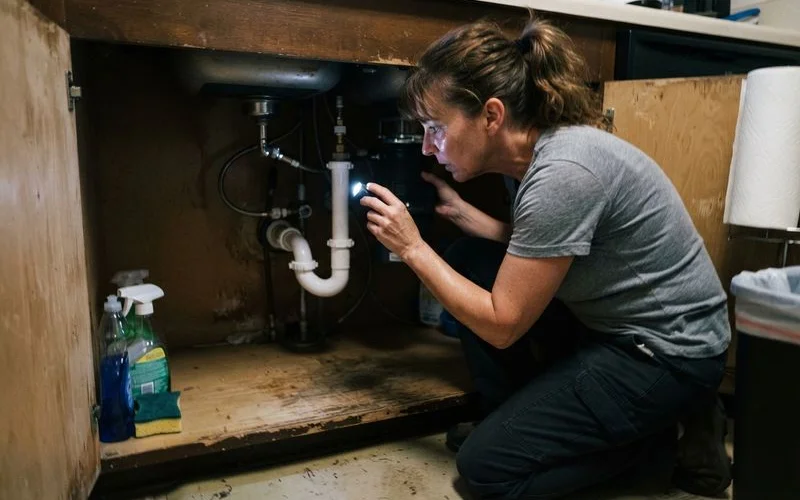
Fix the small stuff
Minor issues, a dripping faucet, a running toilet, a slow bathroom sink drain, are inexpensive to fix and disproportionately noticeable to a buyer walking through with an inspector. Leaving them creates an impression that other, unseen maintenance might have been skipped too, even if that’s not actually true.
Address bigger issues directly, don’t hide them
If you know about a larger issue, an aging water heater, a main line with a history of backups, it’s usually better to get a professional assessment and either fix it or disclose it clearly than to hope it doesn’t come up. A documented repair or a clear explanation reads very differently to a buyer than an issue discovered cold during their own inspection.
Connecticut generally requires sellers to disclose known material defects, so an issue you’re aware of and choose not to mention can create real legal exposure later, beyond just complicating the negotiation. This is general information, not legal advice, so confirm your specific disclosure obligations with a real estate attorney or your agent.
Consider a proactive sewer scope for older homes
If your home is older, especially with clay or cast-iron sewer lines, a proactive camera inspection of the main line before listing can be worth the cost. It either gives you peace of mind or surfaces a problem while you still control the timeline and the contractor, rather than during a tense negotiation window after a buyer’s inspector finds it first. If the scope does find an issue, you can decide whether to repair it before listing or price the home to reflect it, rather than having that decision forced on you mid-negotiation.
Getting it done before you list
A pre-listing plumbing check doesn’t need to be exhaustive, just thorough enough to catch what a buyer’s inspector will catch anyway. Timing matters too, since a check done a few weeks before listing gives you room to actually schedule and complete repairs, rather than discovering an issue days before your first showing.
This directory’s ranking method can help you find a Greater Hartford plumber known for clear, honest assessments, which matters more here than the fastest or cheapest option. Our directory is a good place to start that search a few weeks before your home goes on the market.
FAQ
- Will a home inspector test every plumbing fixture?
- Most inspectors run water at fixtures, check for visible leaks, flush toilets, and test water pressure and drainage. They generally won't do a deep diagnostic, but they will note anything visibly wrong.
- Should I fix every plumbing issue before listing, even minor ones?
- Minor issues are often worth fixing since they're cheap compared to what a buyer might assume during negotiation. Bigger issues are worth at least documenting with a professional assessment so you can address them directly instead of getting surprised.
- Does a slow drain matter for a home sale?
- It can. A slow drain noted during an inspection sometimes leads a buyer to request a sewer scope, especially in an older home, which can uncover a bigger and more expensive issue if there is one.
- Is it worth getting a sewer line inspection before listing an older home?
- For older homes, especially with clay or cast-iron sewer lines, a proactive sewer scope inspection can prevent a late-stage surprise that derails a deal or forces a price renegotiation.