What to do during a plumbing emergency while you wait for help
By Lena Vogel · Updated 2026-05-21
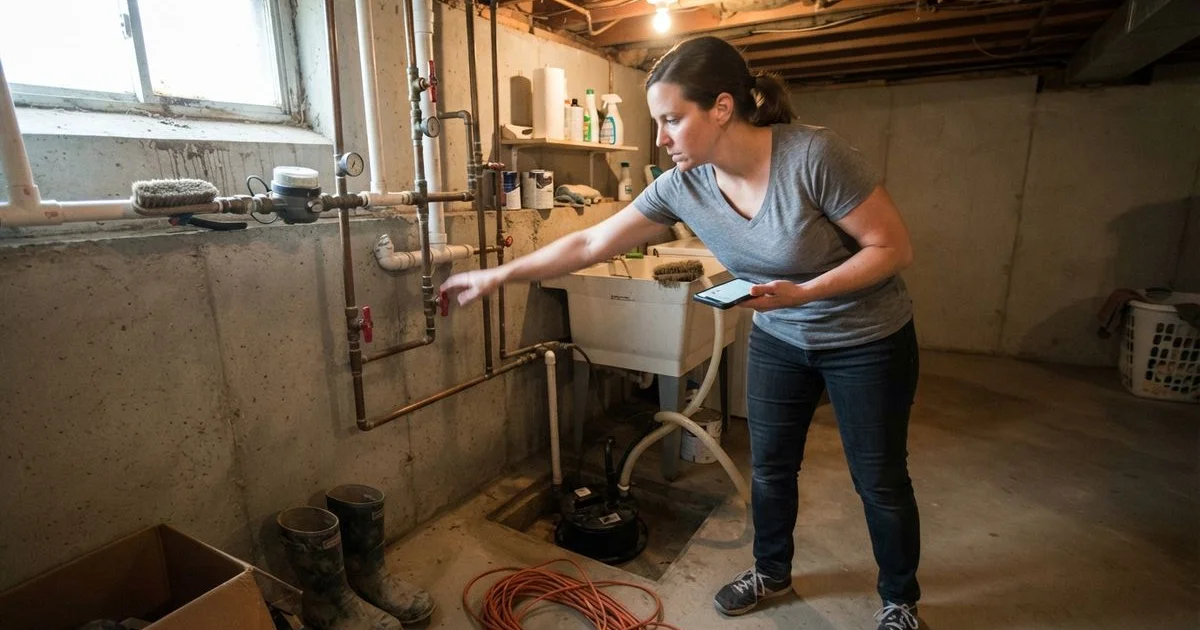
A pipe bursts, a toilet overflows, or water starts pooling somewhere it shouldn’t, and the clock starts running. What you do in the first few minutes often matters more than how fast the plumber arrives, because it’s the difference between a contained problem and a much bigger repair bill.
Step one: stop the water
Every household should know where its main water shutoff valve is before an emergency happens, not during one. If the problem is isolated to one fixture, like a toilet or a washing machine hose, look for a smaller shutoff valve at that fixture first. If you can’t find it fast, or the leak is coming from somewhere unclear, go straight to the main shutoff. In most Greater Hartford homes it’s near the water meter, in a basement, utility closet, or crawl space.
Step two: protect the space
Once the water is off, focus on limiting damage rather than solving the problem yourself:
- Move anything valuable or electrical away from the water.
- Use towels, buckets, or a wet vac to contain what’s already spilled.
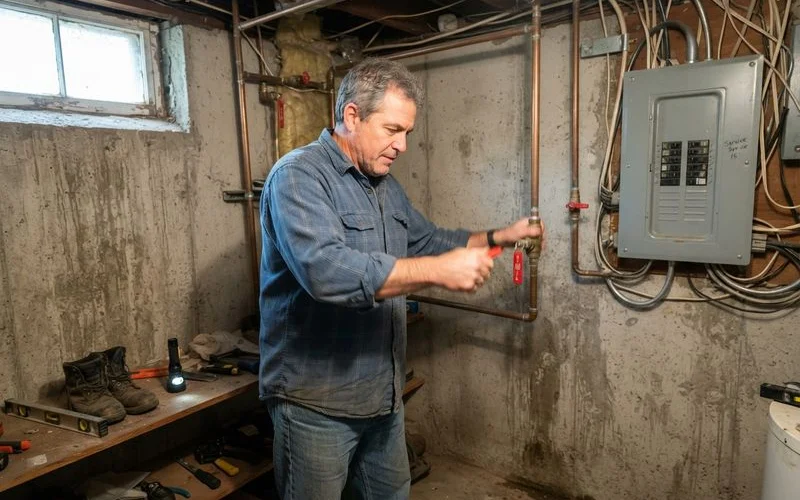
- If water is near an outlet or breaker panel, avoid the area and consider shutting off power to that circuit if you can do so safely.
- Open a window or run a fan if there’s standing water, to slow mold growth while you wait.
When it’s more than a leak
Some situations need faster, more careful action than a typical drip:
| Situation | What to do first |
|---|---|
| Burst or badly leaking pipe | Shut off main water valve, move belongings, contain water |
| No hot water / no water at all | Check the water heater or main valve isn’t the cause before calling |
| Sewage backing up into a drain or tub | Avoid contact, stop using water in the home, ventilate the area |
| Smell of gas near a water heater or line | Leave the area, don’t flip switches, call from outside |
If you smell gas, do not treat it like a normal plumbing call. Leave the building, avoid using light switches or anything that could spark, and call from a safe distance. This is general safety information, not a substitute for guidance from your gas utility or local fire department in an active emergency.
A lot of burst-pipe emergencies in this climate trace straight back to a hard freeze; our freeze prevention checklist covers how to keep this from happening again next winter.
What not to do
Skip the chemical drain cleaner if the problem is a backed-up main line rather than a single slow drain, since it can mask a bigger issue and make the eventual repair messier. Avoid cutting into a wall to chase a pipe unless you’re confident about what’s behind it, since a wrong guess turns one repair into two. And don’t wait to call because it’s after hours: most emergency plumbing providers in the Greater Hartford area expect evening and weekend calls and price accordingly, so there’s little upside in waiting until morning if the damage is ongoing.
Calling for help
Once the immediate danger is under control, describe the problem as specifically as you can when you call: which fixture or area, how long it’s been happening, and whether the water is currently shut off. A dispatcher or plumber who knows those details ahead of time can often bring the right parts on the first visit instead of a second trip. If it’s a genuine emergency, say so clearly and ask about their actual arrival window rather than assuming “emergency service” always means the fastest possible response.
While you wait
Take a few photos of the damage for insurance purposes once the immediate danger is handled. Note when the problem started and anything you noticed beforehand, like a slow drain or a knocking pipe, since that detail helps the plumber diagnose faster once they arrive. If you haven’t called anyone yet, our directory can help you compare local providers by responsiveness and recent customer feedback, not just who answers first, and our ranking method explains how those scores are put together.
The goal in the first few minutes isn’t to fix the problem, it’s to stop it from getting worse until someone qualified can take over.
FAQ
- What's the very first thing I should do in a plumbing emergency?
- Shut off the water. For a single fixture, use the shutoff valve under it; for anything bigger, use the main shutoff valve, usually near where the water line enters the house or in the basement.
- Should I try to fix the leak myself before the plumber gets there?
- Only enough to limit damage, like placing towels or a bucket. Avoid opening walls, cutting pipe, or using chemical drain products, since that can complicate the repair or hide the real problem.
- How do I find an emergency plumber quickly?
- Look for providers who list 24-hour or same-day emergency service and check recent reviews for response time. You can browse local options under this directory's emergency plumbing category.
- Is a plumbing emergency ever also a safety emergency?
- Yes. If you smell gas, see standing water near electrical outlets or a panel, or have sewage backing up into living space, treat it as a safety issue first: leave the area or shut off power if you can do so safely, then call for help.