What plumbing repairs cost in Connecticut and what changes the price
By Lena Vogel · Updated 2026-05-18
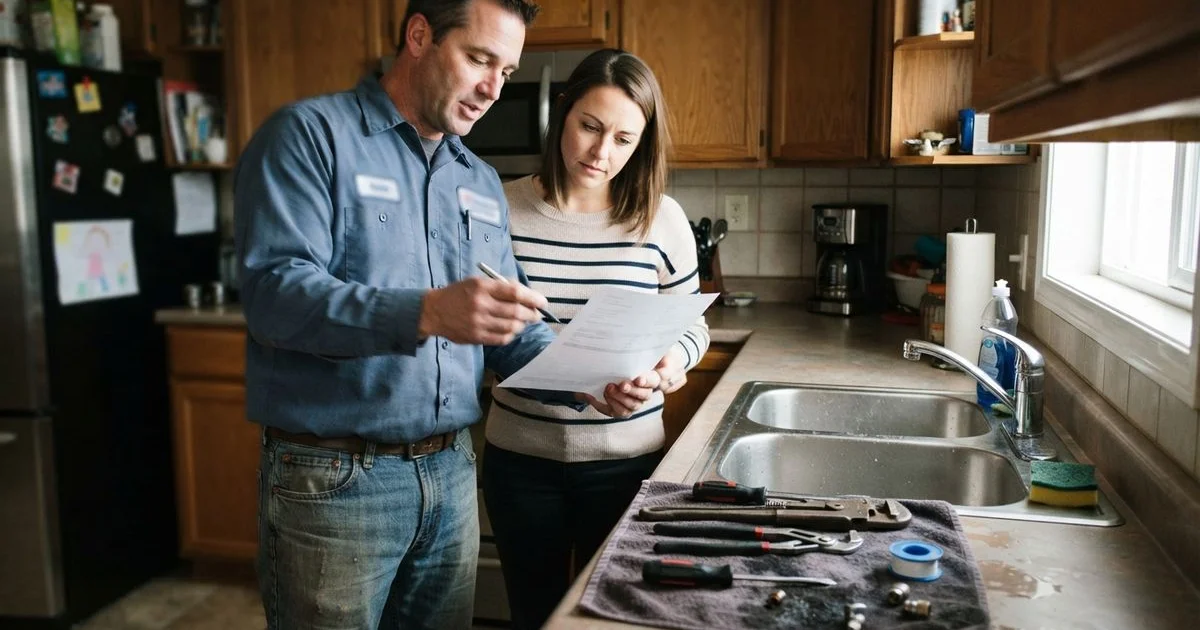
Plumbing repair costs in Connecticut swing widely, and the biggest reason isn’t the plumber, it’s the job. A dripping faucet and a collapsed sewer line both fall under “plumbing repair,” but they sit at opposite ends of the price scale. Knowing what drives the number helps you read a quote instead of just reacting to it.
What a typical repair costs
Most routine plumbing repairs in Connecticut, think a running toilet, a slow leak under a sink, or a single fixture swap, land in the lower range of a plumber’s pricing, often close to a one-hour service call plus parts. Bigger jobs like drain and sewer line clearing or gas line work move well past that, since they involve more labor, sometimes permits, and specialized equipment. If you want to compare providers on more than just the number they quote, this directory’s ranking method explains how we score plumbers, which matters once you’re weighing quotes rather than guessing at one.
What actually drives the price
A handful of factors explain most of the spread between a low quote and a high one:
- Access. A pipe behind an open wall costs less to reach than one under a slab or inside a finished ceiling.
- Age of the plumbing. Older galvanized or cast-iron systems in Hartford-area homes often need extra work just to safely connect new parts.
- Timing. Evening, weekend, and overnight calls run higher than a scheduled weekday appointment.
- Permits and code upgrades. Some repairs trigger a permit requirement, which adds cost and time.
- Parts availability. A standard part costs less than one that has to be special-ordered for an older fixture.
Table: repair type and what typically moves the price
| Repair type | What usually keeps cost lower | What usually raises it |
|---|---|---|
| Fixture repair (faucet, toilet) | Standard part, easy access | Discontinued part, custom fixture |
| Drain clearing | Simple snaking, single fixture | Main line, hydro jetting, recurring clog |
| Water heater repair | In-warranty part, easy access | Full replacement, code upgrade required |
| Gas line work | Short exposed run | Underground trenching, permit required |
| Emergency call | Business hours | Overnight, holiday, burst pipe |
How to avoid overpaying
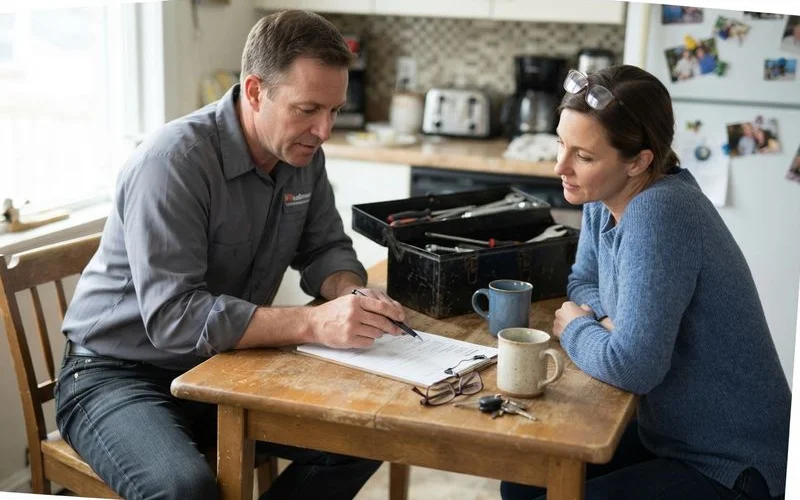
Get the scope in writing before work starts, not after. Ask directly whether the quote is flat-rate or time-and-materials, and whether a trip or diagnostic fee is separate from the repair cost. If a plumber wants to add a code upgrade or extra work once they’re on site, ask them to explain why in plain terms before you approve it. Comparing two or three quotes on the same described problem is the most reliable way to tell a fair price from an inflated one.
Local reviews across the Greater Hartford market consistently call out fair, transparent pricing as one of the things people notice most, and flag surprise fees or upsell pressure as the thing they remember worst. That pattern alone is a reason to ask for the number before the work begins, not after. When the repair traces back to sudden damage like a burst pipe rather than ordinary wear, it’s worth checking whether plumbing repair is covered by insurance before you assume the full bill is on you.
What a written estimate should actually include
A useful estimate spells out more than a single dollar figure. Look for a description of the specific problem as the plumber diagnosed it, the parts expected to be used, whether labor is billed flat-rate or hourly, and whether a trip or diagnostic fee is already folded into the total. If the estimate mentions a possible additional charge, like a code upgrade that might be needed once they open the wall, ask them to explain the condition that would trigger it and roughly what it would add. An estimate that’s just a single number with no breakdown makes it much harder to compare against a second opinion later, and much easier for the final bill to drift upward without a clear reason.
When it’s worth paying more
The lowest bid isn’t always the better deal. A plumber who takes the time to explain the diagnosis, pulls a permit when the job requires one, and stands behind the work with a real warranty is often worth a slightly higher rate than one who rushes the estimate. If you’re choosing between providers, our directory tracks how local plumbers perform on more than price alone, including responsiveness and follow-through.
Getting two or three written estimates for anything beyond a simple fixture repair is the single best way to know whether a price is fair for your specific job.
FAQ
- Why do two plumbers quote such different prices for the same job?
- Pricing models differ. Some shops quote flat-rate by job, others bill hourly plus parts, and a few add a diagnostic or trip fee that others fold into the estimate. Ask what the number includes before comparing quotes side by side.
- Is a cheap quote ever a red flag?
- Sometimes. A quote well below the others can mean a narrower scope of work, older or lower-grade parts, or a plan to add charges once the job is underway. Ask what's included in writing before you accept.
- Do plumbers charge more for emergency or after-hours calls?
- Yes, typically. Evening, weekend, and overnight calls usually carry a higher rate than a scheduled weekday visit because the plumber is working outside normal hours.
- Will I get a firm price before the work starts?
- A reputable plumber should give you a written estimate after seeing the problem, even if it's a range. Be wary of anyone unwilling to put a number on paper before starting work.