Is plumbing repair covered by homeowners insurance?
By Lena Vogel · Updated 2026-05-28
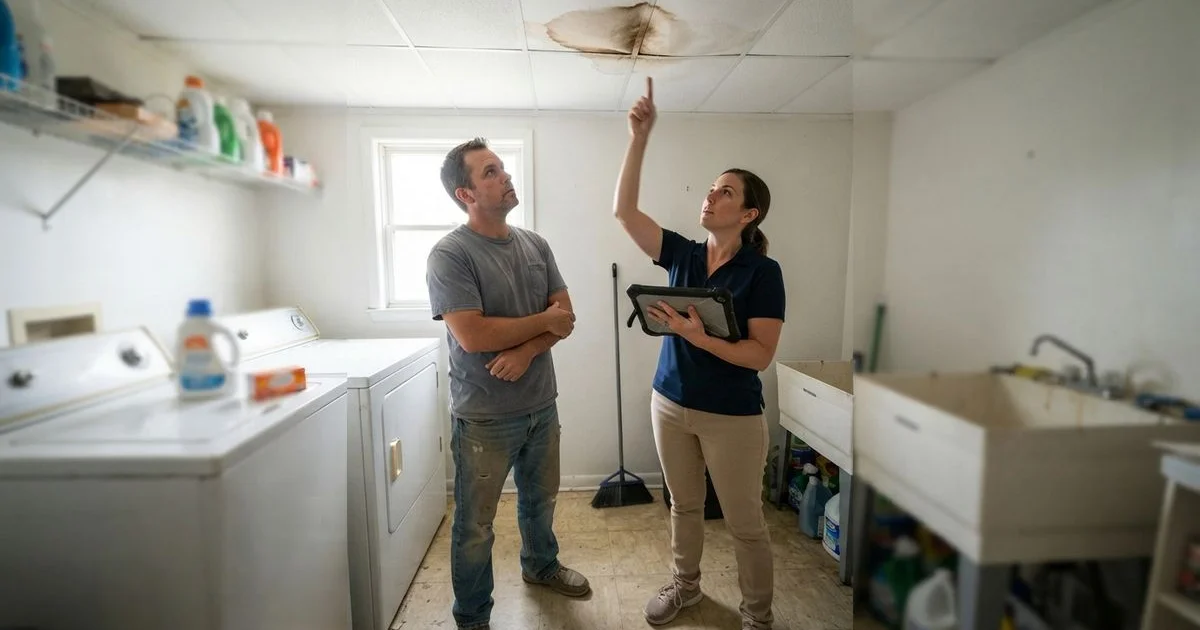
Whether homeowners insurance pays for a plumbing problem usually comes down to one distinction: was the damage sudden and accidental, or was it the slow result of wear, age, or neglected maintenance. This is general information, not insurance or legal advice; your specific policy language controls what’s actually covered, so confirm details with your insurer before assuming either way.
What’s typically covered
Most standard homeowners policies in Connecticut cover water damage from a sudden, unexpected event, like a pipe that bursts from a hard freeze or an unforeseen failure. If a supply line fails overnight and floods a bathroom, the resulting damage to floors, drywall, and cabinetry is usually a covered claim. The plumbing repair itself, replacing the failed section of pipe, is often treated separately and may not be covered, since insurers generally view the pipe as a maintenance item.
What’s typically not covered
Gradual damage is the common exclusion. A slow leak behind a wall that goes unnoticed for months, corrosion in old galvanized pipe, or damage that traces back to a lack of maintenance is usually denied. Insurers look for evidence of how long the problem existed: a sudden flood reads very differently from water stains that suggest months of slow seepage, and an adjuster is trained to spot the difference between the two.
Sewer and drain backups are their own category. Many standard policies exclude water that backs up through a sewer or drain, and insurers sell this as a separate rider. If your home has older sewer lines or has had backup issues before, it’s worth asking your agent whether this coverage is included or needs to be added, since it’s easy to assume a general homeowners policy already covers it and only find out otherwise after a backup has already happened.
Table: common scenarios and how they’re usually treated
| Scenario | Usually covered | Usually not covered |
|---|---|---|
| Sudden pipe burst from freezing | Resulting water damage | The pipe replacement itself, in some policies |
| Slow leak behind a wall over months | Rarely | Often denied as gradual/maintenance damage |
| Sewer or drain backup | Only with a specific rider | Standard policy without the add-on |
| Water heater sudden failure/flood | Resulting damage, sometimes the unit | Damage from a known, unrepaired leak |
| Frozen pipe from a known heating failure left unaddressed | Rarely | Often denied for neglect |
How to protect a claim
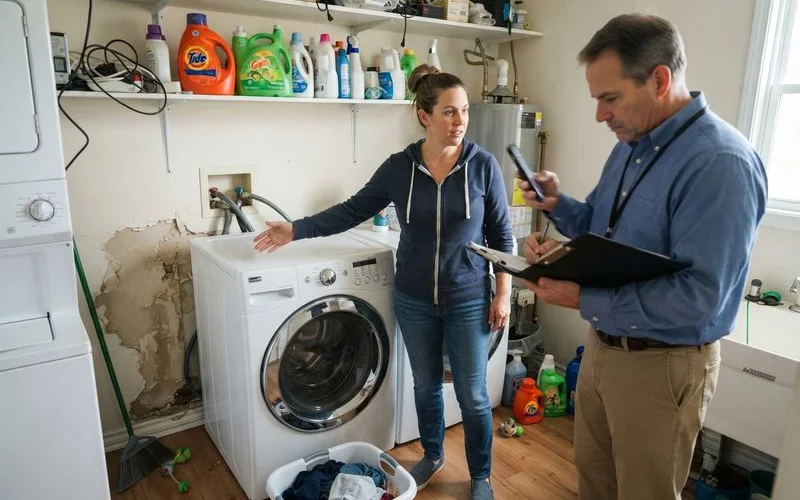
Document your plumbing’s condition and any repairs over time, since a paper trail of regular maintenance helps counter a “neglect” denial. If a leak happens, address it and report it promptly rather than waiting, since delay is exactly what insurers look for when denying a claim. Take photos before cleanup begins, and keep receipts for any temporary repairs, water extraction, or the plumber’s diagnostic visit, since your insurer may reimburse those separately from the main repair.
Why the plumber’s report matters
A detailed, dated invoice that describes the cause of the failure, not just the fix, is one of the most useful pieces of evidence in a claim. An invoice that says “replaced burst pipe, sudden failure due to freeze” supports your claim far better than one that just says “repaired pipe.” If a claim gets disputed, this kind of documentation is often what determines whether the insurer’s adjuster sides with a sudden-and-accidental reading or a gradual-damage denial, so it’s worth asking your plumber directly to note the likely cause on the invoice. It also helps to know what a plumbing repair like this typically costs going in, so you can tell whether the invoice lines up with a fair price regardless of what insurance ends up covering.
When you’re not sure
If you’re mid-emergency and unsure whether a claim will hold up, get the immediate danger handled first, stop the water, protect the space, then call your insurer before starting permanent repairs. Choosing a plumber who documents the problem clearly and provides a detailed written invoice also makes the claims process smoother; this directory’s ranking method weighs how thorough and transparent local providers are, which matters as much for paperwork as for the repair itself. Our directory is a good starting point for finding one before you’re in the middle of a claim.
FAQ
- Does homeowners insurance cover a burst pipe?
- Usually yes, if the burst was sudden and accidental, like from a hard freeze or unexpected pressure failure. The water damage that results is typically covered; the worn-out pipe itself often isn't.
- Will insurance pay to replace the pipe that failed, or just the damage it caused?
- In most standard policies, only the resulting damage, not the plumbing component itself. Repairing or replacing the pipe is usually treated as a maintenance cost you cover directly.
- Does insurance cover a clogged drain or sewer backup?
- Often not by default. Sewer and drain backup coverage is commonly a separate add-on or rider, so check your policy specifically for that language rather than assuming it's included.
- What should I do first if I think I have a covered plumbing claim?
- Stop the water source if it's still active, document the damage with photos, and call your insurer before you start repairs, since some policies require notification before work begins.